

Operating a Mine Vent Air Heat Recovery Unit (MVHRU) requires specific training to ensure optimal performance, safety, and compliance with industry standards. As a leading supplier of MVHRUs, we understand the importance of proper training for operators. In this blog, we will explore the training requirements for operating a MVHRU, highlighting the key areas that need to be covered.
Understanding the Basics of Mine Vent Air Heat Recovery
Before delving into the training requirements, it is essential to have a solid understanding of the principles behind mine vent air heat recovery. Mine ventilation systems are designed to remove stale air and harmful gases from underground mines, but this process also results in the loss of a significant amount of heat. A MVHRU is a device that captures the heat from the mine ventilation air and transfers it to a useful form, such as heating or hot water.
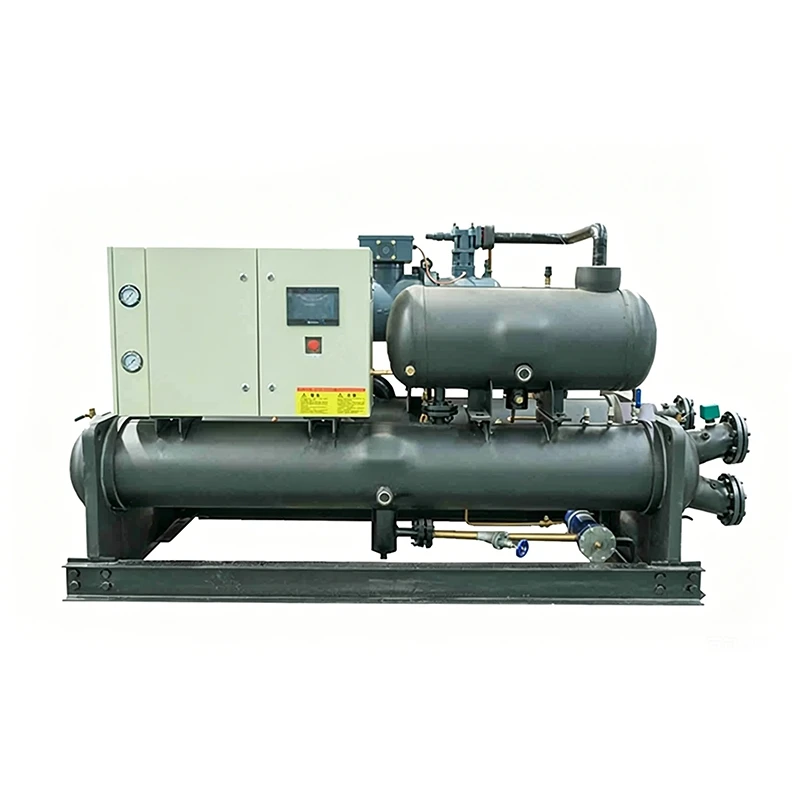
The basic components of a MVHRU include a heat exchanger, a fan, a pump, and a control system. The heat exchanger is the heart of the system, where the heat is transferred from the mine ventilation air to a secondary fluid, such as water or glycol. The fan is responsible for moving the mine ventilation air through the heat exchanger, while the pump circulates the secondary fluid. The control system monitors and regulates the operation of the MVHRU, ensuring that it operates efficiently and safely.
Training Requirements for MVHRU Operators
Technical Knowledge
Operators of MVHRUs need to have a good understanding of the technical aspects of the system. This includes knowledge of the heat transfer principles, the operation of the heat exchanger, the fan, and the pump, and the control system. They should also be familiar with the different types of MVHRUs available in the market and their specific features and applications.
Training in technical knowledge can be provided through a combination of classroom lectures, hands-on training, and online resources. Classroom lectures can cover the theoretical aspects of the system, while hands-on training allows operators to gain practical experience in operating and maintaining the MVHRU. Online resources, such as training videos and manuals, can provide additional support and reference materials.
Safety Training
Safety is of utmost importance when operating a MVHRU. Operators need to be aware of the potential hazards associated with the system, such as electrical hazards, fire hazards, and chemical hazards. They should also be trained in the proper safety procedures and protocols to follow in case of an emergency.
Safety training should cover topics such as personal protective equipment (PPE), lockout/tagout procedures, fire safety, and emergency response. Operators should be trained to identify and report any safety hazards or issues immediately and to take appropriate action to prevent accidents and injuries.
Maintenance Training
Regular maintenance is essential to ensure the reliable and efficient operation of a MVHRU. Operators need to be trained in the proper maintenance procedures and schedules for the system. This includes tasks such as cleaning the heat exchanger, checking the fan and pump for proper operation, and inspecting the control system for any faults or malfunctions.
Maintenance training should also cover the troubleshooting and repair of common problems that may occur with the MVHRU. Operators should be trained to identify the symptoms of a problem, diagnose the cause, and take appropriate action to resolve it. They should also be familiar with the replacement parts and tools required for maintenance and repair.
Regulatory Compliance
Operating a MVHRU requires compliance with various regulatory requirements and standards. Operators need to be aware of these requirements and ensure that the system is operated and maintained in accordance with them. This includes regulations related to environmental protection, workplace safety, and energy efficiency.
Training in regulatory compliance should cover the relevant laws and regulations, as well as the procedures and documentation required to demonstrate compliance. Operators should be trained to keep accurate records of the system's operation, maintenance, and performance and to submit these records to the appropriate regulatory authorities as required.

Importance of Training for MVHRU Operators
Proper training for MVHRU operators is essential for several reasons. Firstly, it ensures the safe and reliable operation of the system. By providing operators with the knowledge and skills they need to operate and maintain the MVHRU correctly, the risk of accidents and breakdowns is significantly reduced.
Secondly, training improves the efficiency of the MVHRU. Operators who are trained in the proper operation and maintenance of the system can optimize its performance, resulting in lower energy consumption and cost savings. This is particularly important in the mining industry, where energy costs can be a significant expense.
Thirdly, training helps to ensure regulatory compliance. By keeping operators up-to-date with the latest regulations and standards, the company can avoid fines and penalties for non-compliance. It also demonstrates a commitment to environmental protection and workplace safety, which can enhance the company's reputation and social license to operate.
Additional Training Considerations
In addition to the core training requirements outlined above, there are some additional considerations that may be relevant depending on the specific circumstances of the mine and the MVHRU. For example, if the mine is located in a cold climate, operators may need training on how to operate the MVHRU in freezing conditions and prevent freezing of the heat exchanger.
Similarly, if the mine uses a unique ventilation system or has specific requirements for the MVHRU, additional training may be necessary to ensure that the system operates effectively. This could include training on the integration of the MVHRU with the mine's existing ventilation system or on the use of specialized control algorithms.
Conclusion
Operating a Mine Vent Air Heat Recovery Unit requires specific training to ensure optimal performance, safety, and compliance. As a supplier of MVHRUs, we are committed to providing our customers with the training and support they need to operate our systems effectively. By investing in proper training for MVHRU operators, mines can improve the efficiency of their ventilation systems, reduce energy costs, and enhance workplace safety.
If you are interested in learning more about our Mine Vent Air Heat Recovery Units or the training programs we offer, we encourage you to [initiate contact for procurement discussions]. Our team of experts is ready to assist you in finding the best solution for your mining operation.
References
- ASHRAE Handbook - HVAC Systems and Equipment. American Society of Heating, Refrigerating and Air-Conditioning Engineers.
- Mine Safety and Health Administration (MSHA) regulations and guidelines.
- International standards for heat recovery systems, such as ISO 13256.
- Manufacturer's manuals and technical documentation for Mine Vent Air Heat Recovery Units.
For more information about related products, you can visit the following links: