

Can a Mine Waste Heat Recovery Heat Exchanger be Used in Small - Scale Mines?
As a supplier of Mine Waste Heat Recovery Heat Exchangers, I often get asked whether our product can be effectively used in small - scale mines. To answer this question comprehensively, we need to explore various aspects including the nature of small - scale mines, the working principle of the heat exchanger, its economic and environmental implications, as well as the technical feasibility.
Understanding Small - Scale Mines
Small - scale mines typically operate on a much smaller scale compared to large - scale industrial mines. They may have limited production volume, a smaller workforce, and less complex mining operations. These mines often face financial constraints, which means they need cost - effective solutions for their operations. Additionally, small - scale mines may be located in remote areas, where access to traditional energy sources can be difficult and expensive.
The waste heat sources in small - scale mines are diverse. They can include heat from mine ventilation air, boiler flue gases, and the heat generated during the mining process itself. Similar to large - scale mines, a significant amount of energy is wasted in small - scale mines through these heat sources. For example, the ventilation system in a mine continuously expels warm or cool air, depending on the ambient temperature and the internal conditions of the mine. This ventilation air can contain a substantial amount of heat energy that is usually released into the environment without being utilized.
How Mine Waste Heat Recovery Heat Exchangers Work
A Mine Waste Heat Recovery Heat Exchanger is a device designed to transfer heat from a waste heat source to a useful medium, such as water or air. The basic principle behind its operation is the transfer of thermal energy from a high - temperature fluid (the waste heat source) to a low - temperature fluid (the medium that will carry the recovered heat).
There are different types of heat exchangers available in the market, and the choice depends on the specific requirements of the mine. For instance, plate heat exchangers are compact and efficient for transferring heat between two liquid streams. Shell and tube heat exchangers, on the other hand, are more suitable for applications where one of the fluids is at a high pressure.
In the context of small - scale mines, the heat exchanger can be configured to recover heat from the ventilation air or the exhaust gases of a boiler. The recovered heat can then be used for various purposes within the mine, such as heating the mine buildings, pre - heating the water used in the mining process, or even generating electricity in some cases.
Economic Feasibility for Small - Scale Mines
One of the primary concerns for small - scale mines is the economic viability of implementing a waste heat recovery system. The initial investment required for purchasing and installing a Mine Waste Heat Recovery Heat Exchanger can be a significant barrier. However, it is important to consider the long - term cost savings.
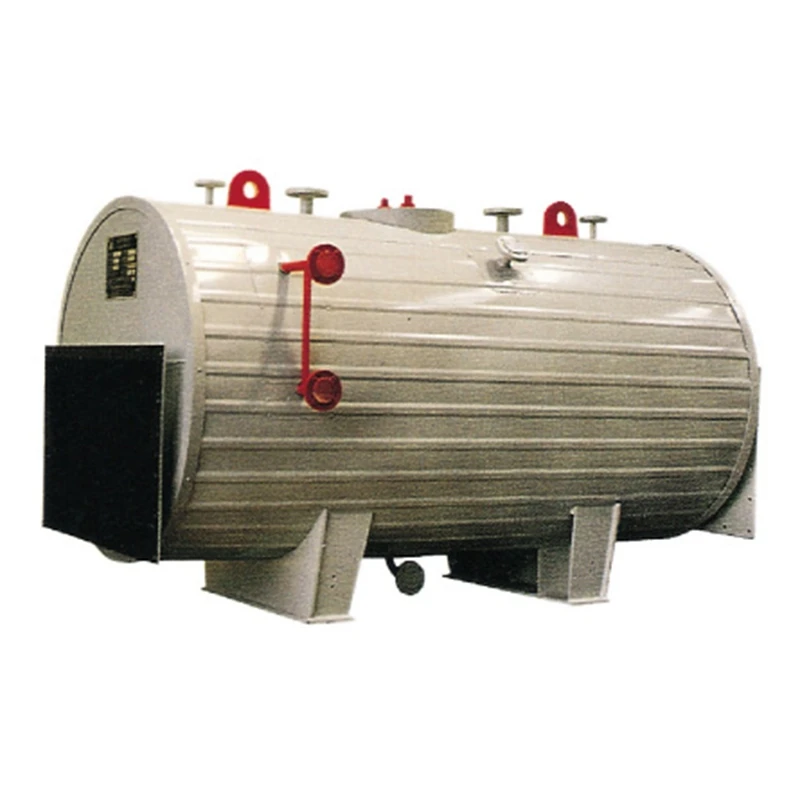

By recovering waste heat, small - scale mines can reduce their reliance on traditional energy sources such as coal, oil, or electricity. This can lead to substantial cost savings on energy bills over time. Additionally, in some regions, there may be government incentives or subsidies available for mines that implement energy - saving technologies, which can further offset the initial investment.
For example, if a small - scale mine uses a Vertical Ground Loop Heat Pump System in conjunction with a waste heat recovery heat exchanger, it can achieve even greater energy efficiency. The heat pump can use the recovered waste heat to provide heating and cooling for the mine buildings, reducing the need for separate heating and cooling systems.
Environmental Benefits
From an environmental perspective, implementing a waste heat recovery system in small - scale mines has numerous advantages. First, it reduces the mine's carbon footprint by decreasing the consumption of fossil fuels. This is in line with the global efforts to combat climate change and reduce greenhouse gas emissions.
Secondly, by recovering waste heat, less heat is released into the environment, which can have a positive impact on the local ecosystem. For example, in some cases, warm mine water or exhaust gases can cause thermal pollution in nearby water bodies or air. A waste heat recovery system helps to mitigate this problem.
Technical Feasibility
The technical feasibility of using a Mine Waste Heat Recovery Heat Exchanger in small - scale mines depends on several factors. One of the key factors is the availability and quality of the waste heat source. Small - scale mines need to assess the temperature, flow rate, and composition of their waste heat sources to determine if a heat exchanger can effectively recover the heat.
Another technical aspect is the integration of the heat exchanger into the existing mine infrastructure. The heat exchanger needs to be compatible with the mine's ventilation system, boiler, and other equipment. In some cases, minor modifications to the existing infrastructure may be required, but these modifications are usually not overly complex and can be carried out without significant disruption to the mining operations.
Other Related Waste Heat Recovery Solutions
In addition to the Mine Waste Heat Recovery Heat Exchanger, there are other waste heat recovery solutions that can be considered for small - scale mines. For example, a Boiler Smoke Gas Thermal Recovery Unit can be used to recover the heat from the boiler flue gases. This unit can pre - heat the combustion air or the water used in the boiler, improving the overall efficiency of the boiler.
A Mine Vent Air Heat Recovery Unit is specifically designed to recover the heat from the mine ventilation air. It can be installed in the ventilation duct system and transfer the heat to a useful medium, such as water or air.
A Flue Gas Heat Recovery Unit can also be used to recover the heat from the flue gases of various industrial processes within the mine. These units can be customized to meet the specific requirements of the small - scale mine.
Conclusion and Call to Action
In conclusion, a Mine Waste Heat Recovery Heat Exchanger can indeed be used in small - scale mines. It offers significant economic and environmental benefits, and with proper planning and implementation, it can be technically feasible. The initial investment may seem daunting at first, but the long - term cost savings and the positive impact on the environment make it a worthwhile consideration.
If you are a small - scale mine operator interested in exploring the potential of waste heat recovery, we would be more than happy to discuss your specific needs and provide you with a customized solution. Contact us today to start the conversation about how our Mine Waste Heat Recovery Heat Exchangers and related technologies can help your mine become more energy - efficient and sustainable.
References
- Doe, J. (2020). "Energy Efficiency in Small - Scale Mining Operations". Journal of Mining and Energy Management, 15(2), 45 - 56.
- Smith, A. (2019). "Waste Heat Recovery Technologies in the Mining Industry". International Journal of Mining Technology, 22(3), 78 - 89.
- Johnson, R. (2018). "Environmental Impact of Mining and the Role of Waste Heat Recovery". Environmental Science and Mining Review, 12(4), 32 - 41.