

How to choose the right underground mine cooling equipment for a specific mine?
As a supplier of underground mine cooling equipment, I understand the critical importance of selecting the appropriate cooling solution for a specific mine. The harsh environment of underground mines, characterized by high temperatures, humidity, and the presence of explosive gases, demands reliable and efficient cooling systems to ensure the safety and productivity of miners. In this blog post, I will share some key factors to consider when choosing underground mine cooling equipment.
1. Mine Characteristics
The first step in choosing the right cooling equipment is to understand the unique characteristics of the mine. This includes factors such as the depth of the mine, the type of ore being mined, the ventilation system, and the ambient temperature and humidity.
- Depth and Geothermal Heat: Deeper mines generally experience higher temperatures due to geothermal heat. The rate of temperature increase with depth, known as the geothermal gradient, can vary depending on the location and geology of the mine. For mines with significant geothermal heat, a cooling system with a high cooling capacity may be required.
- Ore Type and Mining Method: Different types of ores and mining methods can generate varying amounts of heat. For example, hard rock mining often involves drilling, blasting, and mechanical excavation, which can produce a significant amount of heat. In contrast, coal mining may generate heat from spontaneous combustion. Understanding the heat sources associated with the ore type and mining method is crucial for determining the appropriate cooling capacity.
- Ventilation System: The ventilation system plays a vital role in maintaining a safe and comfortable working environment in underground mines. A well-designed ventilation system can help remove heat and contaminants from the mine. When choosing cooling equipment, it is important to consider the existing ventilation system and ensure that the cooling system can work in conjunction with it. For example, some cooling systems are designed to be integrated with the mine's ventilation ducts, while others may require a separate ventilation system.
- Ambient Temperature and Humidity: The ambient temperature and humidity outside the mine can also affect the performance of the cooling system. In hot and humid climates, the cooling system may need to work harder to achieve the desired temperature and humidity levels inside the mine. Additionally, high humidity can increase the risk of corrosion and mold growth in the cooling equipment, so it is important to choose equipment that is designed to withstand these conditions.
2. Cooling Capacity
The cooling capacity of the equipment is one of the most important factors to consider. It is measured in tons of refrigeration (TR) or kilowatts (kW). To determine the required cooling capacity, you need to calculate the total heat load in the mine. This includes heat generated from the following sources:
- Geothermal Heat: As mentioned earlier, geothermal heat increases with the depth of the mine. You can estimate the geothermal heat load based on the geothermal gradient and the volume of the mine.
- Equipment Heat: Mining equipment such as drills, loaders, and conveyors generate a significant amount of heat. The heat load from equipment can be calculated based on the power consumption and efficiency of the equipment.
- Human Heat: Miners also generate heat through their metabolic processes. The heat load from human beings can be estimated based on the number of miners working in the mine and their activity level.
- Ventilation Heat: The ventilation system can introduce heat into the mine if the outside air is warmer than the desired temperature inside the mine. The heat load from ventilation can be calculated based on the volume of air being circulated and the temperature difference between the outside and inside air.
Once you have calculated the total heat load, you can choose a cooling system with a sufficient cooling capacity to meet the demand. It is important to note that the cooling capacity should be selected based on the peak heat load, which may occur during periods of high mining activity or in the hottest part of the day.
3. Type of Cooling Equipment
There are several types of underground mine cooling equipment available on the market, each with its own advantages and disadvantages. Here are some common types of cooling equipment:
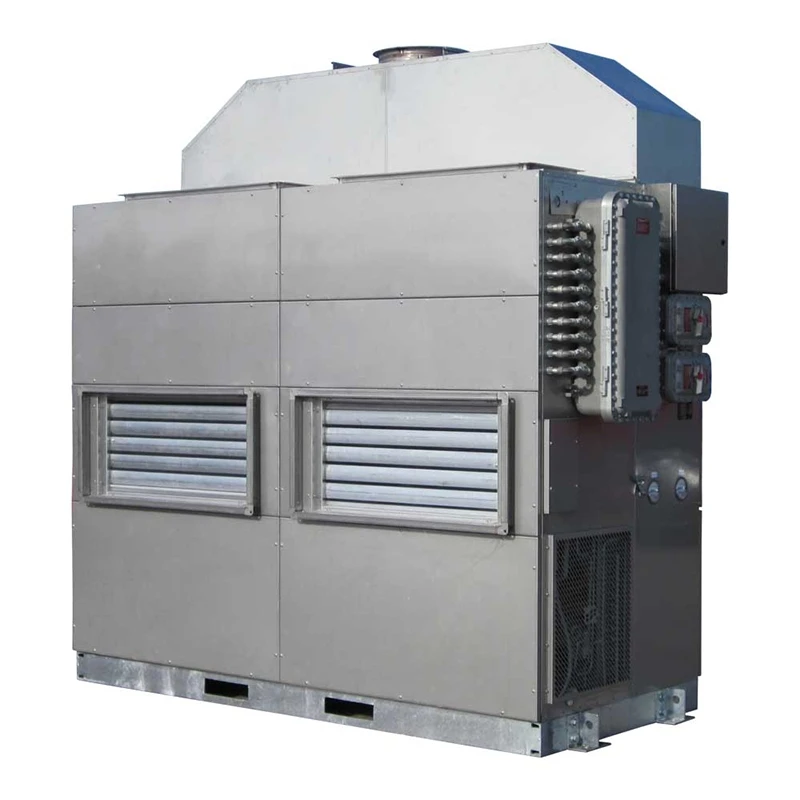
- Mine Explosion Proof Downhole Cooling Unit: These units are specifically designed for use in underground mines where there is a risk of explosion. They are built to meet strict safety standards and are equipped with explosion-proof components. Mine explosion proof downhole cooling units are typically used for local cooling in areas where there is a high concentration of heat, such as near mining equipment or in confined spaces.
- Underground Mine Air Cooler: Air coolers are used to cool the air in the mine by removing heat and moisture. They work by passing the air over a cooling coil, which is filled with a refrigerant. The refrigerant absorbs the heat from the air, and the cooled air is then circulated back into the mine. Underground mine air coolers are commonly used for general cooling in large areas of the mine.
- Split-type Underground Mining Cooling Device: Split-type cooling devices consist of an outdoor unit and an indoor unit. The outdoor unit contains the compressor and condenser, while the indoor unit contains the evaporator and fan. These devices are suitable for mines where space is limited, as the outdoor unit can be installed outside the mine. Split-type underground mining cooling devices are often used for cooling individual work areas or offices in the mine.
- Mining Underground Cooling Unit: Mining underground cooling units are designed to provide centralized cooling for the entire mine. They are typically large-scale systems that are installed in a central location and connected to the mine's ventilation system. These units can be either water-cooled or air-cooled, depending on the availability of water and the environmental conditions in the mine.
When choosing the type of cooling equipment, you need to consider factors such as the size of the mine, the location of the heat sources, the available space, and the budget.
4. Energy Efficiency
Energy efficiency is an important consideration when choosing underground mine cooling equipment. Cooling systems can consume a significant amount of energy, especially in large mines. Therefore, it is important to choose equipment that is energy-efficient to reduce operating costs and minimize the environmental impact.
- Refrigerant Type: The type of refrigerant used in the cooling system can have a significant impact on its energy efficiency. Some refrigerants, such as hydrofluorocarbons (HFCs), have a high global warming potential (GWP). In recent years, there has been a growing trend towards using more environmentally friendly refrigerants, such as hydrofluoroolefins (HFOs) and natural refrigerants like ammonia and carbon dioxide. These refrigerants have a lower GWP and can help reduce the carbon footprint of the cooling system.
- Compressor Efficiency: The compressor is the heart of the cooling system, and its efficiency can greatly affect the overall energy consumption of the system. High-efficiency compressors, such as variable-speed compressors, can adjust their speed based on the cooling demand, which can result in significant energy savings.
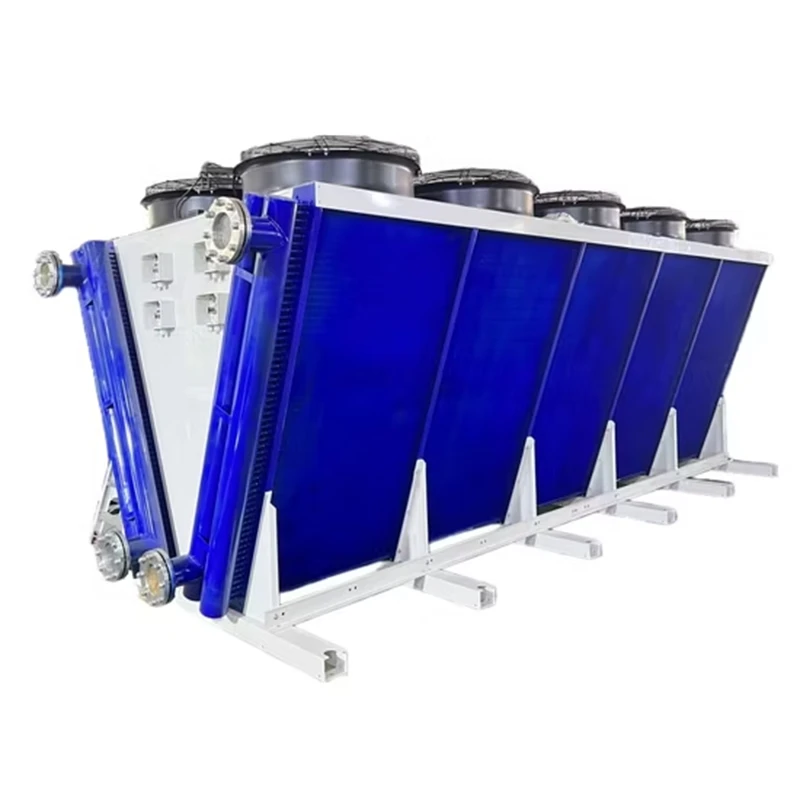
- Heat Exchanger Design: The design of the heat exchanger can also impact the energy efficiency of the cooling system. A well-designed heat exchanger can transfer heat more effectively, reducing the amount of energy required to cool the air or water.
5. Maintenance and Reliability
Underground mine cooling equipment operates in a harsh environment, and it is important to choose equipment that is reliable and easy to maintain. Regular maintenance is essential to ensure the proper functioning of the cooling system and to prevent breakdowns.
- Accessibility: The cooling equipment should be designed to be easily accessible for maintenance and repair. This includes having easy access to components such as the compressor, condenser, and evaporator.
- Durability: The equipment should be made of high-quality materials that can withstand the harsh conditions in the mine, such as dust, moisture, and vibration.
- Service and Support: It is important to choose a supplier that offers reliable service and support. This includes providing technical assistance, spare parts, and maintenance services.
6. Cost
The cost of the cooling equipment is an important consideration, but it should not be the only factor. While it is important to stay within your budget, you also need to consider the long-term operating costs, energy efficiency, and reliability of the equipment.
- Initial Investment: The initial cost of the cooling equipment includes the purchase price, installation costs, and any additional equipment or accessories that may be required.
- Operating Costs: The operating costs of the cooling system include energy consumption, maintenance costs, and the cost of replacing parts. It is important to choose equipment that has low operating costs to minimize the total cost of ownership.
- Return on Investment (ROI): When evaluating the cost of the cooling equipment, you should also consider the potential return on investment. A well-designed cooling system can improve the productivity and safety of the mine, which can result in significant cost savings in the long run.
In conclusion, choosing the right underground mine cooling equipment for a specific mine requires careful consideration of several factors, including mine characteristics, cooling capacity, type of equipment, energy efficiency, maintenance and reliability, and cost. As a supplier of Underground Mine Cooling Equipment, we have the expertise and experience to help you select the most suitable cooling solution for your mine. If you are interested in learning more about our products or discussing your specific requirements, please feel free to contact us for a consultation.
References
- Hartman, H. L., Mutmansky, J. M., Ramani, R. V., & Wang, J. S. Y. (2002). Mine ventilation and air conditioning. Wiley.
- Clements, K. J. (2006). Mine ventilation engineering: principles, practice and regulations. Elsevier.
- ASHRAE. (2017). Handbook of fundamentals. American Society of Heating, Refrigerating and Air-Conditioning Engineers.