

Yo, I'm a supplier of Coal Mine Methane Heat Recovery Devices. One of the most common headaches we hear from our customers is the vibration issue during the device's operation. It's not just annoying; it can also lead to premature wear - and - tear, reduced efficiency, and even safety hazards. So, in this blog, I'm gonna share some practical tips on how to reduce the vibration of a coal mine methane heat recovery device.
1. Equipment Installation
First things first, proper installation is key. A poorly installed device is like a wobbly table, bound to vibrate. When setting up the coal mine methane heat recovery device, make sure it's placed on a flat and stable surface. Uneven ground can cause the device to tilt, leading to unbalanced forces and vibrations.
For example, if the device is installed on a surface with a slope, the weight distribution will be off. This can cause the internal components to work harder on one side, resulting in vibrations. We once had a customer who installed the device on a slightly uneven floor. The vibrations were so bad that it affected the overall performance. After we helped them level the surface, the vibrations significantly reduced.
Also, use proper mounting hardware. High - quality bolts, nuts, and brackets can ensure that the device is firmly attached to the surface. Loose connections are a major cause of vibrations. Check all the mounting points regularly to make sure they're tight. If you notice any signs of loosening, tighten them up immediately.

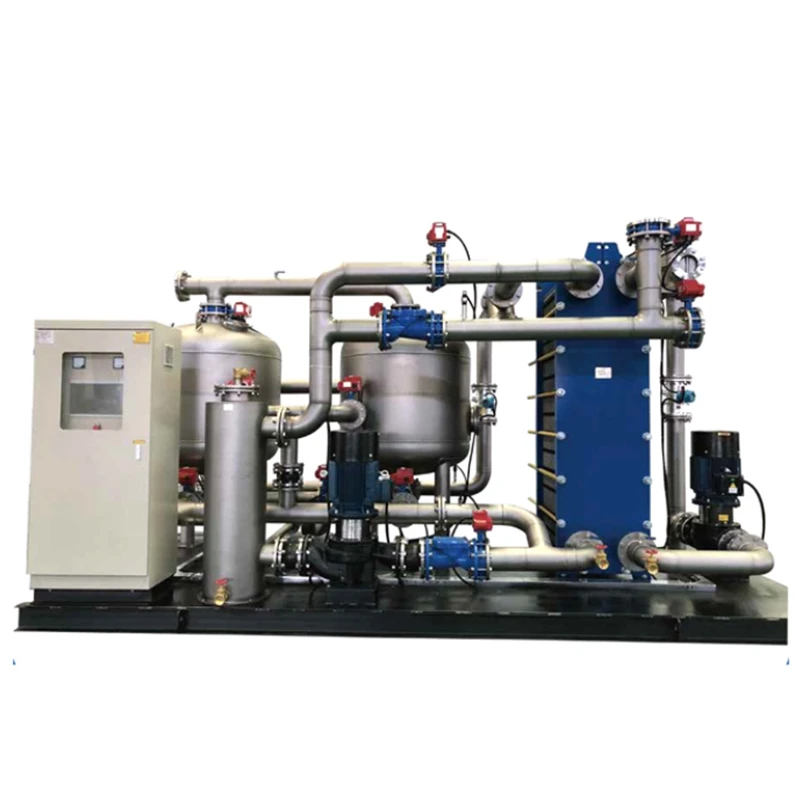
2. Component Maintenance
The internal components of the coal mine methane heat recovery device play a huge role in its vibration levels. One of the main culprits is the fan or the compressor. Over time, these components can accumulate dirt, dust, and debris, which can throw off their balance.
Take the fan, for instance. If there's a build - up of dirt on one of the fan blades, it will create an imbalance when the fan rotates. This imbalance will cause the whole device to vibrate. So, it's important to clean the fans and compressors regularly. You can use a soft brush or compressed air to remove the dirt.
Another thing to keep an eye on is the bearings. Worn - out bearings can cause excessive vibrations. Check the bearings for signs of wear, such as noise, heat, or play. If you notice any of these signs, replace the bearings as soon as possible.
3. Alignment
Proper alignment of the components is crucial. Misaligned shafts or belts can lead to vibrations. When the device is assembled, make sure all the shafts are in a straight line. Even a slight misalignment can cause the components to rub against each other, creating vibrations.
For belt - driven components, check the belt tension regularly. A loose or overly tight belt can cause vibrations. You can use a belt tension gauge to ensure the correct tension. If the belt is worn out, replace it. A worn - out belt can slip, which not only causes vibrations but also reduces the efficiency of the device.
4. Damping
Damping is a technique used to reduce vibrations. You can use damping materials, such as rubber pads or springs, to absorb the vibrations. Place these damping materials between the device and the mounting surface.
Rubber pads are a popular choice because they're inexpensive and easy to install. They work by absorbing the energy from the vibrations and converting it into heat. Springs can also be used, especially for larger devices. They provide a more flexible damping solution and can handle higher levels of vibrations.
5. System Design
The overall design of the coal mine methane heat recovery system can also affect the vibration levels. A well - designed system takes into account the flow of the methane and the heat transfer process.
For example, if the pipes in the system are too small or have sharp bends, it can cause turbulence in the methane flow. This turbulence can lead to vibrations. Make sure the pipes are of the appropriate size and have smooth bends to reduce the resistance and turbulence.
Also, consider the placement of the different components in the system. Avoid placing components too close together, as this can cause interference and vibrations. A well - spaced and organized system will reduce the chances of vibrations.
Related Products
If you're also interested in other mining waste heat utilization devices, we have some great options. Check out our Mining Compressed Air Heat Recovery Unit, Flue Gas Heat Recovery Unit, Mine Return Air Heat Exchanger, Vertical Ground Loop Heat Pump System, and Gradient Waste Heat Recovery Equipment.
Conclusion
Reducing the vibration of a coal mine methane heat recovery device is not a one - time fix. It requires regular maintenance, proper installation, and a well - designed system. By following the tips I've shared in this blog, you can significantly reduce the vibrations and improve the performance and lifespan of your device.
If you're facing vibration issues with your coal mine methane heat recovery device or are interested in purchasing a new one, don't hesitate to reach out. We're here to help you find the best solutions for your needs. Let's work together to make your mining operations more efficient and sustainable.
References
- Smith, J. (2020). Handbook of Mining Equipment Maintenance. Publisher XYZ.
- Johnson, A. (2021). Vibration Analysis in Industrial Systems. ABC Publications.
- Brown, C. (2019). Waste Heat Recovery in Mining: A Comprehensive Guide. DEF Press.