

What are the sound levels of a Downhole Central Cooling Station Unit during operation?
Hey there! I'm a supplier of Downhole Central Cooling Station Units, and I often get asked about the sound levels of these units during operation. In this blog post, I'm gonna break down the nitty - gritty of what sound levels you can expect from these units and why it matters in a mining environment.
Let's start with why sound levels are a big deal. In a mine, there are already a ton of loud noises from machinery, drills, and other equipment. Adding another noisy source can not only be annoying but also have serious impacts on the health of the miners. Prolonged exposure to high - level noise can lead to hearing loss, stress, and even affect workers' concentration and safety. So, understanding the sound levels of a Downhole Central Cooling Station Unit is crucial for creating a safe and comfortable working environment.
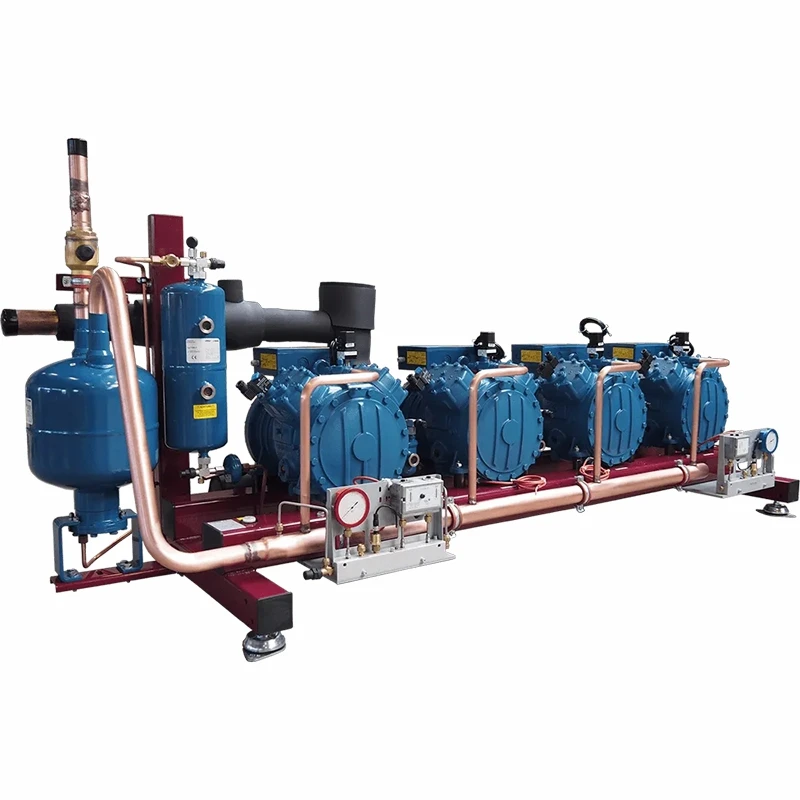
Now, let's talk about the factors that influence the sound levels of these units. First off, the design and construction of the unit play a huge role. A well - engineered unit is likely to have better noise insulation and vibration dampening features, which can significantly reduce the sound it emits. For instance, the Downhole Central Cooling Station Unit we supply is built with advanced noise - reducing technology. We use high - quality insulation materials around the compressor and other noisy components, which helps to contain the sound within the unit.
The size and capacity of the unit also matter. Generally, larger units with higher cooling capacities tend to produce more noise. This is because they usually have bigger compressors and fans that need to work harder to achieve the desired cooling effect. However, it's not just about the size; the efficiency of the components also affects the noise. A more efficient compressor will run smoother and quieter compared to an older, less efficient one.
The operating conditions in the mine can also have an impact on the sound levels. If the unit is placed in a small, confined space with poor ventilation, the sound can bounce off the walls and create an echo, making it seem louder. On the other hand, if there's proper ventilation and enough space around the unit, the sound can dissipate more easily.
So, what are the typical sound levels of a Downhole Central Cooling Station Unit? Well, it can vary depending on the factors I just mentioned, but on average, these units can produce sound levels ranging from 60 to 90 decibels (dB). To put that into perspective, normal conversation is around 60 dB, while a lawnmower can produce around 90 dB of noise.
At the lower end of the range (around 60 dB), the noise from the unit is relatively quiet and may not be too disruptive in a noisy mine environment. However, as the sound level approaches 90 dB, it can start to become a concern. That's why it's important to take steps to reduce the noise, such as installing the unit in a well - ventilated area and using additional sound - proofing materials.
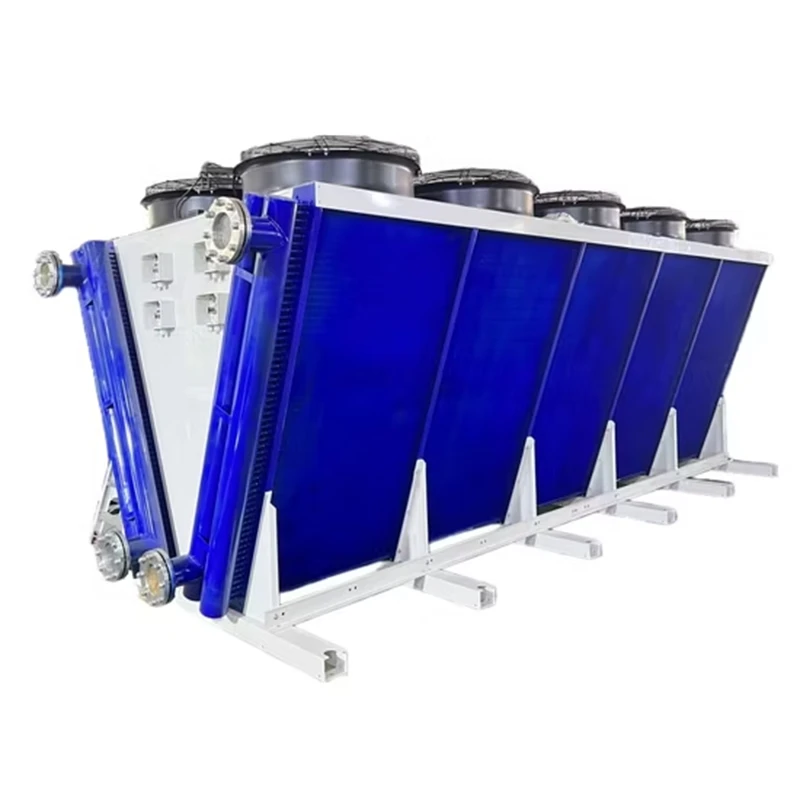
Another way to manage the sound levels is by choosing a Mining Underground Cooling System that's designed with noise reduction in mind. Our Mining Underground Cooling Unit is part of a comprehensive system that takes into account the noise factor. It's equipped with a HEMS High Efficiency Heat Exchange System that not only improves the cooling efficiency but also helps to reduce the noise generated by the unit.
The Split - type Underground Mining Cooling Device is another option for mines that are concerned about noise. This type of device allows for more flexible placement of the components, which can help to isolate the noisy parts from the working areas. For example, the compressor, which is usually the noisiest part, can be placed in a separate room or area where the noise won't affect the miners directly.
In addition to the physical design and placement of the unit, regular maintenance also plays a vital role in keeping the sound levels in check. A well - maintained unit will operate more smoothly and quietly. Simple tasks like checking and tightening bolts, lubricating moving parts, and cleaning filters can make a big difference in how loudly the unit runs.
To measure the sound levels accurately, it's recommended to use a sound level meter. This device can give you a precise reading of the noise level at different points around the unit. By taking regular measurements, you can monitor the sound levels over time and detect any changes that might indicate a problem with the unit.
If you notice that the sound levels are increasing, it could be a sign of a mechanical issue, such as a worn - out bearing or a loose belt. In such cases, it's important to address the problem as soon as possible to prevent further damage to the unit and to keep the noise levels under control.
In conclusion, the sound levels of a Downhole Central Cooling Station Unit are influenced by various factors, including the unit's design, size, operating conditions, and maintenance. By choosing the right unit, implementing noise - reducing measures, and performing regular maintenance, mines can ensure that the noise from these units doesn't become a problem.
If you're in the market for a Downhole Central Cooling Station Unit or any other mining cooling equipment, I'd love to have a chat with you. We've got the expertise and the high - quality products to meet your needs. Feel free to reach out and let's start a conversation about how we can help cool down your mine while keeping the noise levels at a minimum.
References
- "Underground Mining Ventilation and Cooling", several industry - specific research papers on mining equipment noise levels and their impact on workers' health.
- Manufacturer's specifications and technical manuals for Downhole Central Cooling Station Units and related mining cooling equipment.