

In the world of mining, energy efficiency and environmental sustainability are becoming increasingly important. One of the key technologies in this regard is the Mining Compressed Air Heat Recovery Unit. As a supplier of these units, I often get asked about the noise levels associated with them. In this blog post, I'll delve into the details of the noise levels of Mining Compressed Air Heat Recovery Units, why it matters, and how we address this aspect.
Understanding the Basics of Mining Compressed Air Heat Recovery Units
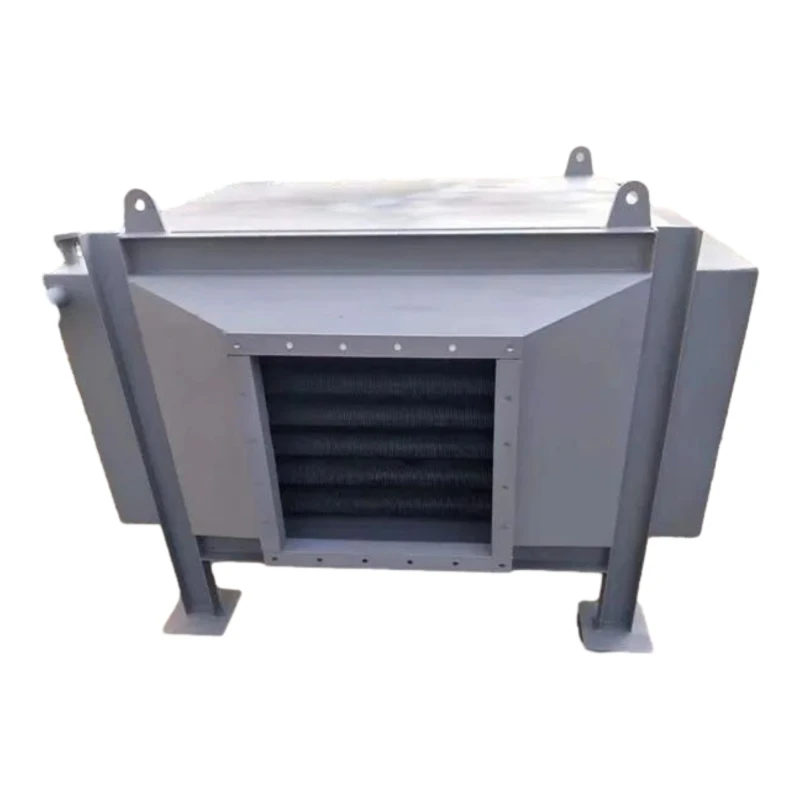
Before we discuss the noise levels, let's briefly understand what a Mining Compressed Air Heat Recovery Unit does. Compressed air is widely used in mining operations for various purposes such as powering pneumatic tools, ventilation systems, and more. However, the compression process generates a significant amount of heat. A Mining Compressed Air Heat Recovery Unit captures this waste heat and converts it into useful energy, which can be used for heating water, buildings, or other processes within the mine. This not only reduces energy consumption but also decreases the environmental impact of mining operations.

Why Noise Levels Matter in Mining
Mining is a noisy environment by nature. The constant rumble of heavy machinery, the blasting of rocks, and the movement of vehicles all contribute to high noise levels. Excessive noise in a mining environment can have several negative impacts. Firstly, it can cause hearing damage to the workers. Prolonged exposure to high noise levels can lead to permanent hearing loss, which is a serious occupational health hazard. Secondly, noise can also affect the communication between workers, making it difficult to convey important information and potentially leading to safety issues. Therefore, it is crucial to keep the noise levels of all equipment, including the Mining Compressed Air Heat Recovery Unit, as low as possible.
Factors Affecting the Noise Levels of Mining Compressed Air Heat Recovery Units
Several factors can influence the noise levels of a Mining Compressed Air Heat Recovery Unit.
1. Compressor Design
The compressor is one of the main components of the heat recovery unit. Different compressor designs have different noise characteristics. For example, reciprocating compressors tend to be noisier than rotary screw compressors. Reciprocating compressors have pistons that move back and forth, which can create a lot of vibration and noise. Rotary screw compressors, on the other hand, have a more continuous and smooth operation, resulting in lower noise levels.
2. Fan and Blower Operation
Fans and blowers are used to circulate air and transfer heat within the unit. The speed and design of these fans and blowers can significantly affect the noise levels. High - speed fans generally produce more noise than low - speed ones. Additionally, the blade design and the housing of the fans can also impact the noise. Well - designed fans with aerodynamic blades and proper sound - absorbing housing can reduce the noise generated.
3. Installation and Mounting
The way the Mining Compressed Air Heat Recovery Unit is installed and mounted can also influence the noise levels. If the unit is not properly installed on a stable base, it can vibrate and transfer the vibrations to the surrounding structures, amplifying the noise. Using vibration - isolating mounts can help reduce the noise transmission.
4. Maintenance
Regular maintenance of the unit is essential to keep the noise levels in check. Worn - out parts such as bearings, belts, and seals can cause increased noise. By replacing these parts in a timely manner and keeping the unit clean, we can ensure that it operates quietly.
Measuring the Noise Levels
The noise levels of a Mining Compressed Air Heat Recovery Unit are typically measured in decibels (dB). The Occupational Safety and Health Administration (OSHA) has set standards for noise exposure in the workplace. In general, continuous exposure to noise levels above 85 dB can cause hearing damage over time.
To measure the noise levels of our units, we use specialized sound level meters. These meters are placed at specific distances from the unit to get an accurate reading. We also take into account the background noise in the mining environment to ensure that the readings are reliable.
Noise Reduction Strategies
As a supplier of Mining Compressed Air Heat Recovery Units, we are committed to providing units with low noise levels. Here are some of the strategies we use:
1. Compressor Selection
We carefully select the compressors for our units based on their noise characteristics. We prefer rotary screw compressors over reciprocating compressors whenever possible to reduce the noise at the source.
2. Sound - Proof Enclosures
We design and install sound - proof enclosures around the units. These enclosures are made of materials that can absorb and dampen the sound. They are also designed to allow for proper ventilation and heat dissipation so that the performance of the unit is not affected.
3. Vibration Isolation
We use vibration - isolating mounts to reduce the vibration of the unit and prevent it from being transmitted to the surrounding structures. This helps to minimize the noise caused by vibration.
4. Fan and Blower Optimization
We optimize the design and operation of the fans and blowers in our units. We use low - speed fans with aerodynamic blades and proper sound - absorbing housing to reduce the noise generated by the air circulation.
Comparing with Other Mining Waste Heat Recovery Devices
It's also interesting to compare the noise levels of Mining Compressed Air Heat Recovery Units with other mining waste heat recovery devices such as the Mine Return Air Heat Exchanger, Mine Waste Heat Recovery Heat Exchanger, Mine Drainage Heat Recovery Unit, and Mine Vent Air Heat Recovery Unit.
Each of these devices has its own noise characteristics. For example, the Mine Return Air Heat Exchanger may have noise associated with the air flow through the exchanger, while the Mine Drainage Heat Recovery Unit may have noise from the pumps used to circulate the water. However, in general, our Mining Compressed Air Heat Recovery Units are designed to have relatively low noise levels compared to some of these other devices, especially when the proper noise reduction strategies are implemented.
The Importance of Low - Noise Units for Mining Operations
Low - noise Mining Compressed Air Heat Recovery Units offer several benefits for mining operations. Firstly, they contribute to a safer and healthier working environment for the miners. By reducing the noise levels, we can minimize the risk of hearing damage and improve communication between workers. Secondly, low - noise units are less likely to cause disturbances to the surrounding communities. This is important for maintaining good relationships with the local population and ensuring the long - term sustainability of the mining operations.
Conclusion
In conclusion, the noise levels associated with a Mining Compressed Air Heat Recovery Unit are an important consideration in the mining industry. As a supplier, we understand the significance of keeping the noise levels low and have implemented various strategies to achieve this. Our units are designed to provide efficient heat recovery while minimizing the noise impact.
If you are interested in learning more about our Mining Compressed Air Heat Recovery Unit or are considering a purchase, we encourage you to reach out to us for a detailed discussion. We are ready to provide you with all the information you need and help you make an informed decision.
References
- Occupational Safety and Health Administration (OSHA). Noise standards in the workplace.
- Technical literature on compressed air heat recovery systems.