

As a supplier of Underground Mine Cooling Equipment, I've seen firsthand how the size of a mine can seriously impact the choice of cooling gear. In this blog, I'll break down how different mine sizes call for different cooling solutions.
Small - Scale Mines
Let's start with small - scale mines. These are usually mines with a limited area of operation, perhaps just a few hundred square meters. They often have a relatively small number of workers and a lower level of machinery activity compared to larger mines.
For small mines, the heat generated is not as intense. The main sources of heat in these mines are usually the machinery in use, like small drills and conveyors, and the geothermal heat from the surrounding rock. Since the heat load is relatively low, the cooling requirements are also modest.
A Mine Partial Area Cooling Unit is often a great fit for small mines. These units are designed to cool specific, smaller areas within the mine. They're compact, easy to install, and don't require a huge amount of power. For example, if there's a small drilling area where workers are concentrated, a mine partial area cooling unit can be placed nearby to keep the temperature down just in that immediate vicinity.
Another advantage of using a partial - area cooling unit in small mines is cost - effectiveness. These units are generally less expensive to purchase and operate than larger, more comprehensive cooling systems. Small - mine operators are usually working on a tight budget, so the affordability of this type of equipment is a major plus.
Medium - Scale Mines
Moving on to medium - scale mines. These mines cover a larger area, maybe a few thousand square meters, and have a more significant number of workers and a wider range of machinery in operation. The heat sources in medium - scale mines are more diverse. In addition to machinery and geothermal heat, there may also be heat generated from blasting activities.
For medium - scale mines, a Mine Explosion Proof Downhole Cooling Unit is often a good choice. Safety is a huge concern in mines, especially with the presence of explosive gases. An explosion - proof downhole cooling unit is designed to operate safely in such an environment.
These units can cover a larger area than the partial - area cooling units used in small mines. They have a higher cooling capacity, which is necessary to deal with the increased heat load in medium - scale mines. They can be installed at strategic locations within the mine to provide more widespread cooling. For example, they can be placed near the main work areas or along the ventilation shafts to cool the incoming air.

Large - Scale Mines
Now, let's talk about large - scale mines. These are the behemoths of the mining world, covering hundreds of thousands or even millions of square meters. There are numerous workers, heavy - duty machinery running non - stop, and complex ventilation systems. The heat generated in large - scale mines is substantial, and it's a real challenge to keep the temperature under control.
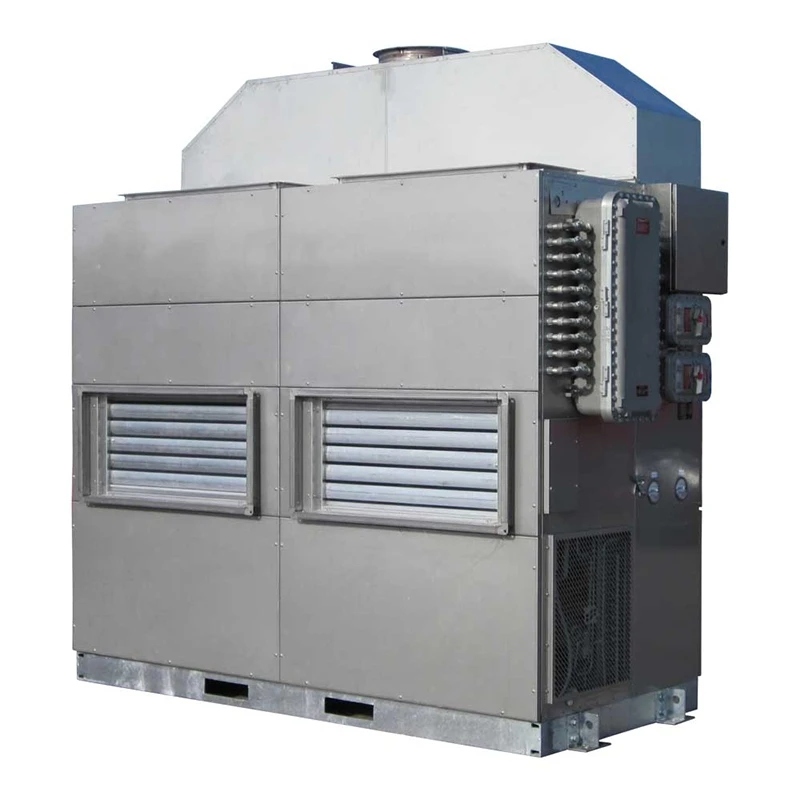
For large - scale mines, a Downhole Central Cooling Station Unit or a full - fledged Mining Underground Cooling System is required. A downhole central cooling station unit is like the heart of the cooling operation in a large mine. It can produce a large amount of chilled water or refrigerant, which is then distributed throughout the mine to cool different areas.
A mining underground cooling system is an integrated solution that includes multiple components such as chillers, pumps, pipes, and air handling units. It can be customized to fit the specific layout and requirements of the large mine. For instance, in a deep - shaft mine, the cooling system can be designed to handle the increased geothermal heat as the depth increases.
Considerations Beyond Mine Size
While mine size is a major factor in cooling equipment selection, there are other things to think about too. The depth of the mine matters. Deeper mines generally have higher geothermal heat, so they may need more powerful cooling equipment regardless of the mine's surface area.
The type of mining operation also plays a role. For example, mines that involve a lot of wet processes, like coal washing or ore beneficiation, may have different humidity levels and heat transfer characteristics compared to dry mining operations. This can affect the choice of cooling equipment and how it's configured.
The local climate can't be ignored either. Mines in hot, arid regions may face additional challenges in heat management compared to those in cooler climates. The ventilation system in the mine is another critical factor. A well - designed ventilation system can work in tandem with the cooling equipment to improve overall cooling efficiency.
Why Choose Our Equipment
As a supplier of underground mine cooling equipment, we understand the unique challenges that each mine faces. Whether it's a small - scale operation looking for an affordable partial - area cooling solution or a large - scale mine in need of a comprehensive cooling system, we've got the right equipment.
Our products are built with the latest technology to ensure maximum efficiency and reliability. We offer a range of options to meet different budgets and requirements. And our team of experts is always on hand to provide technical support and advice on system design and installation.
If you're in the process of selecting cooling equipment for your mine, or if you're looking to upgrade your existing system, don't hesitate to get in touch. We can help you make the best choice based on the size of your mine and other relevant factors. Start the conversation about purchasing and let's find the perfect cooling solution for your underground mine.
References
- Smith, J. (2020). Heat Management in Underground Mines. Mining Journal.
- Johnson, R. (2021). Impact of Mine Size on Cooling Requirements. International Mining Review.