

Yo, as a supplier of Mine Waste Heat Recovery Heat Exchangers, I've seen firsthand how important these bad boys are in the mining industry. They're a great way to cut down on energy costs and be more eco - friendly by using the waste heat that would otherwise go to waste. But, like any piece of equipment, there are some safety precautions you gotta take when using them. Let's dive right in!
1. Pre - installation Checks
Before you even think about installing the heat exchanger, you need to do a thorough inspection. First off, check the heat exchanger itself. Make sure there are no visible signs of damage, like cracks in the tubes or dents in the casing. A damaged heat exchanger can lead to leaks, which can be super dangerous, especially if the waste heat fluid contains harmful chemicals.
Also, take a look at the installation site. It needs to be well - ventilated. You don't want to install the heat exchanger in a confined space because if there's a gas leak, it could build up and cause an explosion or make you sick. The area should also be level. An uneven surface can put extra stress on the heat exchanger, leading to premature wear and tear.
2. Proper Training
This is a biggie. Everyone who's going to be working with the Mine Waste Heat Recovery Heat Exchanger needs proper training. They should know how to operate the equipment safely, understand the control systems, and be aware of the emergency shutdown procedures. If someone tries to operate the heat exchanger without proper training, it can lead to accidents.
For example, they might not set the right temperature or pressure levels, which can cause the heat exchanger to malfunction. So, invest in some good training programs for your staff. It'll save you a lot of headaches in the long run.
3. Pressure and Temperature Monitoring
The pressure and temperature inside the heat exchanger are crucial. You need to have reliable monitoring systems in place. High pressure can cause the heat exchanger to burst, and extremely high or low temperatures can damage the materials.
Regularly check the pressure gauges and temperature sensors. If you notice any sudden changes or abnormal readings, shut down the system immediately. Don't try to be a hero and keep it running. It's better to be safe than sorry.
4. Chemical Compatibility
The waste heat fluid in the mine might contain all sorts of chemicals. You have to make sure that the materials of the heat exchanger are compatible with these chemicals. If they're not, the chemicals can corrode the heat exchanger, leading to leaks and failures.
Before you install the heat exchanger, do some tests to determine the chemical composition of the waste heat fluid. Then, choose a heat exchanger made from materials that can withstand those chemicals. If you're not sure, you can always consult with us. We have a team of experts who can help you make the right choice.
5. Maintenance and Cleaning
Regular maintenance and cleaning are essential for the safe operation of the heat exchanger. Over time, dirt, debris, and scale can build up inside the heat exchanger. This can reduce its efficiency and increase the risk of corrosion.
Set up a maintenance schedule. Clean the heat exchanger regularly, and replace any worn - out parts. You should also check for any signs of leaks or damage during maintenance. If you find something wrong, fix it right away.
6. Fire Safety
Since the waste heat is a form of energy, there's always a fire risk. Make sure there are fire extinguishers nearby the heat exchanger installation. The area should be free from any flammable materials. And if possible, install a fire suppression system.
Having a proper fire safety plan in place can save lives and prevent costly damage to the equipment and the surrounding area.
7. Electrical Safety
If your heat exchanger has electrical components, electrical safety is non - negotiable. All electrical connections should be properly insulated and grounded. The electrical panels should be protected from moisture and dust.

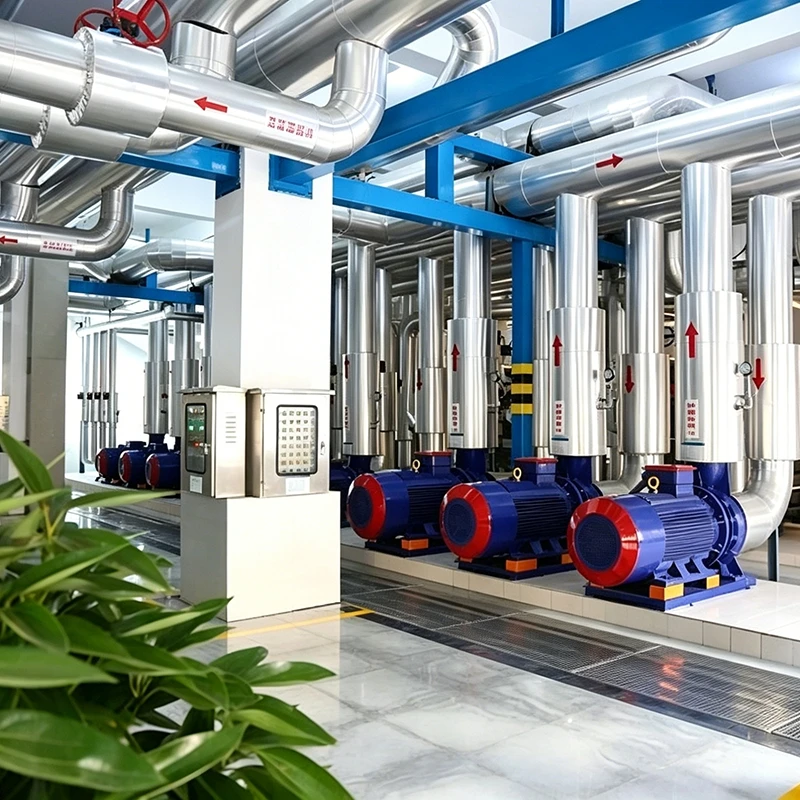
Regularly inspect the electrical systems for any signs of damage, like frayed wires or loose connections. If you're not an electrical expert, don't try to fix electrical problems yourself. Hire a qualified electrician.
Related Products for Waste Heat Recovery
If you're interested in other waste heat recovery solutions, we also offer some great products, such as the Air Compressor Waste Heat Recovery System, the Mine Water Source Heat Pump Unit, the Mine Vent Air Heat Recovery Unit, the Mine Exhaust Air Waste Heat Recovery Unit, and the Mine Seepage Water Heat Recovery Unit. These products work hand - in - hand with the Mine Waste Heat Recovery Heat Exchangers to make your mining operations more energy - efficient.
Contact Us for Purchase and Consultation
If you're looking to buy a Mine Waste Heat Recovery Heat Exchanger or want to learn more about our products, don't hesitate to reach out. We're here to answer all your questions and help you find the best solution for your mining needs. Whether it's about safety, installation, or operation, we've got you covered.
References
- "Mining Equipment Safety Guidelines." International Mining Association.
- "Heat Exchanger Handbook." Chemical Engineering Press.