

As a supplier of Mine Return Air Heat Exchangers, I am often asked about the efficiency of these remarkable devices. In this blog, I will delve into the intricacies of mine return air heat exchangers, exploring their efficiency, the factors that influence it, and their significance in the mining industry.
Understanding Mine Return Air Heat Exchangers
Mine return air heat exchangers are designed to recover heat from the air that is exhausted from mines. This return air, which is often warm and laden with moisture, represents a significant source of untapped energy. By using a heat exchanger, this energy can be transferred to a secondary fluid, such as water or a refrigerant, which can then be used for heating or other industrial processes.
The basic principle behind a mine return air heat exchanger is the transfer of heat from the warm return air to the cooler secondary fluid. This is achieved through a series of tubes or plates that separate the two fluids while allowing heat to pass through. The efficiency of a heat exchanger is determined by its ability to transfer heat effectively, which is influenced by several factors.
Factors Affecting the Efficiency of Mine Return Air Heat Exchangers
Heat Transfer Surface Area
The larger the heat transfer surface area, the more heat can be transferred between the two fluids. Heat exchangers with a greater number of tubes or plates, or those with a larger surface area per unit volume, generally have higher efficiency. Manufacturers often design heat exchangers with optimized geometries to maximize the heat transfer surface area within a given space.
Temperature Difference
The greater the temperature difference between the return air and the secondary fluid, the more efficient the heat transfer process. However, in practical applications, the temperature difference is limited by the operating conditions of the mine and the requirements of the heating system. Engineers must carefully balance the temperature difference to ensure efficient operation without compromising the performance of other components.
Fluid Flow Rates
The flow rates of the return air and the secondary fluid also play a crucial role in determining the efficiency of the heat exchanger. Adequate flow rates are necessary to ensure that the heat transfer surfaces are continuously in contact with fresh fluid, maximizing the heat transfer rate. However, excessive flow rates can increase pressure drop and energy consumption, so a balance must be struck.
Heat Exchanger Design
The design of the heat exchanger, including the type of tubes or plates used, the configuration of the flow paths, and the materials of construction, can have a significant impact on its efficiency. For example, some heat exchangers are designed with enhanced surface features, such as fins or turbulators, to increase the heat transfer coefficient and improve efficiency.
Fouling and Corrosion
Over time, the heat transfer surfaces of a mine return air heat exchanger can become fouled with dust, dirt, and other contaminants. This fouling reduces the effectiveness of the heat transfer process and can lead to a decrease in efficiency. Similarly, corrosion can damage the heat exchanger materials, reducing their thermal conductivity and compromising the overall performance of the device. Regular maintenance and cleaning are essential to prevent fouling and corrosion and maintain the efficiency of the heat exchanger.
Measuring the Efficiency of Mine Return Air Heat Exchangers
The efficiency of a mine return air heat exchanger is typically measured using the coefficient of performance (COP) or the effectiveness (ε). The COP is defined as the ratio of the useful heat output to the energy input required to operate the heat exchanger. A higher COP indicates a more efficient heat exchanger. The effectiveness, on the other hand, is defined as the ratio of the actual heat transfer to the maximum possible heat transfer. A value of ε close to 1 indicates a highly efficient heat exchanger.
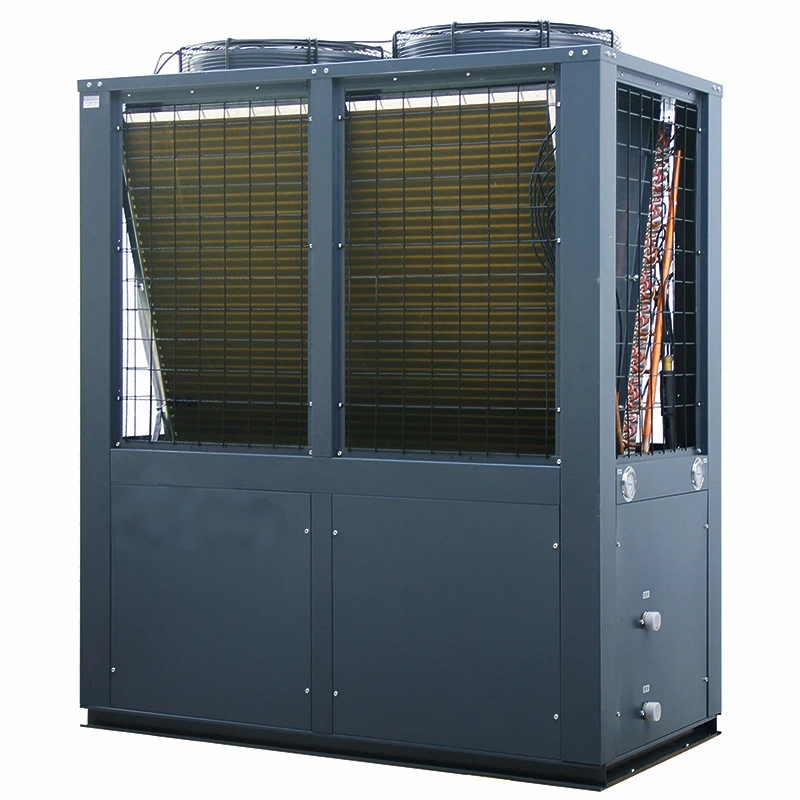

In addition to these metrics, other factors such as the specific heat capacity of the fluids, the thermal conductivity of the heat exchanger materials, and the overall system design can also affect the efficiency of the heat exchanger. Therefore, a comprehensive evaluation of the efficiency of a mine return air heat exchanger requires a detailed analysis of the entire system.
The Significance of Mine Return Air Heat Exchangers in the Mining Industry
Energy Savings
One of the primary benefits of using a mine return air heat exchanger is the significant energy savings it can provide. By recovering heat from the return air, mines can reduce their reliance on traditional heating methods, such as fossil fuel boilers, which can result in substantial cost savings. In addition, the use of waste heat recovery systems can also help mines meet their environmental targets by reducing their carbon footprint.
Improved Comfort and Safety
In addition to energy savings, mine return air heat exchangers can also improve the comfort and safety of the mine environment. By providing a reliable source of heat, these devices can help maintain a stable temperature in the mine, reducing the risk of hypothermia and other cold-related illnesses among miners. In addition, the recovery of waste heat can also help reduce the humidity in the mine, improving air quality and reducing the risk of corrosion and other problems.
Contribution to Sustainable Mining
The use of mine return air heat exchangers is an important step towards achieving sustainable mining practices. By recovering and utilizing waste heat, mines can reduce their energy consumption and environmental impact, while also improving their economic viability. In addition, the development and deployment of these technologies can help drive innovation in the mining industry and contribute to the transition to a low-carbon economy.
Related Products and Their Roles
As a supplier, we offer a range of related products that work in conjunction with mine return air heat exchangers to maximize the use of waste heat in mining operations.
Coal Mine Methane Heat Recovery Device
The Coal Mine Methane Heat Recovery Device is designed to recover heat from coal mine methane, another significant source of waste heat in mines. By combining this device with a mine return air heat exchanger, mines can further increase their energy recovery and reduce their environmental impact.
Air Compressor Waste Heat Recovery System
The Air Compressor Waste Heat Recovery System is another valuable tool for waste heat utilization in mines. Air compressors generate a large amount of heat during operation, which can be recovered and used for heating or other industrial processes. Integrating this system with a mine return air heat exchanger can help mines achieve even greater energy efficiency.
Industrial Mine Heat Pump
The Industrial Mine Heat Pump is a versatile device that can be used in conjunction with a mine return air heat exchanger to provide heating, cooling, and hot water for mining operations. By using the heat recovered from the return air, the heat pump can operate more efficiently and reduce the energy consumption of the mine.
Mine Air Source Heat Pump Unit
The Mine Air Source Heat Pump Unit is specifically designed for use in mines, where it can extract heat from the air and transfer it to a secondary fluid for heating or other applications. This unit can be used in combination with a mine return air heat exchanger to optimize the use of waste heat in the mine.
Mine Vent Air Heat Recovery Unit
The Mine Vent Air Heat Recovery Unit is another important component of a comprehensive waste heat recovery system in mines. This unit can recover heat from the vent air and transfer it to a secondary fluid, which can then be used for heating or other industrial processes. By combining this unit with a mine return air heat exchanger, mines can achieve a higher level of energy efficiency.
Conclusion and Call to Action
In conclusion, mine return air heat exchangers are highly efficient devices that can provide significant energy savings and environmental benefits for the mining industry. By recovering and utilizing waste heat from the return air, mines can reduce their energy consumption, lower their operating costs, and improve the comfort and safety of their workers.
If you are interested in learning more about mine return air heat exchangers or our other waste heat recovery products, we encourage you to contact us to discuss your specific needs. Our team of experts is ready to work with you to design and implement a customized solution that will meet your energy efficiency goals and help you achieve sustainable mining practices.
References
- [1] Wang, X., & Liu, Y. (2019). Energy-saving potential of waste heat recovery from mine return air. Energy Conversion and Management, 184, 291-300.
- [2] Zhang, Y., & Li, X. (2020). A review of heat recovery technologies from coal mine ventilation air. Renewable and Sustainable Energy Reviews, 122, 109633.
- [3] Li, S., & Zhao, H. (2021). Optimization of a mine return air heat exchanger for energy efficiency improvement. Journal of Cleaner Production, 293, 126233.