

As a supplier of Underground Mine Cooling Equipment, I understand the critical importance of transportation requirements for this specialized machinery. In the mining industry, maintaining a cool and safe environment underground is essential for the well - being of workers and the efficient operation of mining operations. However, transporting underground mine cooling equipment is a complex task that requires careful planning and adherence to various regulations.
General Transportation Considerations
Size and Weight
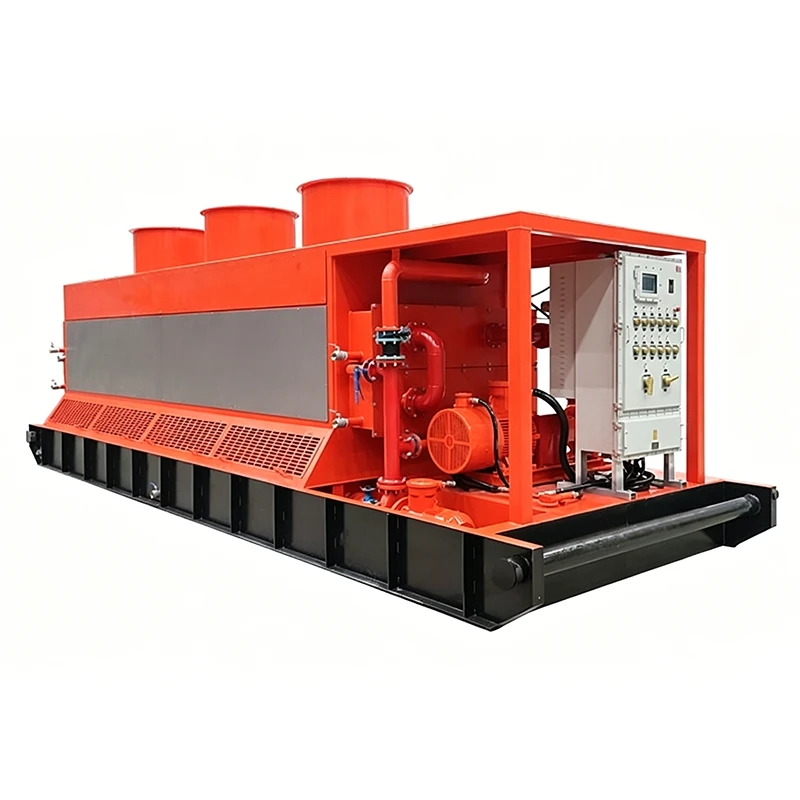
Underground mine cooling equipment, such as the Downhole Central Cooling Station Unit, can be extremely large and heavy. These units are designed to handle the high heat loads in underground mines, which often means they come with large compressors, condensers, and heat exchangers. The weight and size of the equipment determine the type of transportation mode that can be used.
For local or short - distance transportation, heavy - duty trucks are often the preferred choice. These trucks need to have a high load - bearing capacity and be equipped with proper securing mechanisms to prevent the equipment from shifting during transit. For long - distance or international transportation, shipping containers or specialized heavy - lift vessels may be required. When transporting by sea, the equipment must be properly packed and secured within the container to withstand the rigors of ocean travel, including rough seas and potential impacts.
Fragility and Sensitivity
Many components of the Mining Underground Cooling System are fragile. For example, the heat exchangers in the system can be easily damaged if not handled carefully. The refrigerant lines and electrical components are also sensitive to shock and vibration. Therefore, during transportation, shock - absorbing materials such as foam padding and rubber mounts should be used to protect the equipment.
In addition, the equipment should be stored in a controlled environment to prevent damage from moisture, dust, and extreme temperatures. If the equipment is being transported through areas with high humidity or extreme cold, special protective covers and insulation may be necessary.
Regulatory Requirements
Safety Regulations
Transporting underground mine cooling equipment is subject to strict safety regulations. In many countries, there are specific laws regarding the transportation of heavy and oversized loads. These regulations often require the use of special permits, escort vehicles, and specific routing. For example, when transporting a large Mine Explosion Proof Downhole Cooling Unit, it is necessary to comply with explosion - proof transportation requirements. The vehicle used for transportation must be specially equipped to prevent the ignition of flammable substances in case of an accidental release.
Environmental Regulations
The cooling equipment usually contains refrigerants, which are often subject to environmental regulations. Many refrigerants, such as hydrochlorofluorocarbons (HCFCs) and hydrofluorocarbons (HFCs), can have a significant impact on the environment if released. Therefore, during transportation, the equipment must be properly sealed to prevent refrigerant leakage. If the equipment needs to be transported across international borders, additional regulations related to the import and export of refrigerants may apply.
Transportation within the Mine
Compatibility with Mine Infrastructure
Once the Underground Mine Cooling Equipment reaches the mine site, it needs to be transported to its final location underground. This requires the equipment to be compatible with the mine's existing infrastructure, such as mine shafts, tunnels, and conveyor systems. The equipment must have dimensions that allow it to pass through the mine's narrow passages and be hoisted safely down the shaft.
Mobility and Ease of Installation
In addition to size compatibility, the equipment should be designed for easy mobility and installation underground. Some cooling units are designed with wheels or tracks to facilitate movement within the mine. The components should also be modular, allowing for easy assembly and disassembly. This is especially important for the HEMS High Efficiency Heat Exchange System, which may need to be installed in different locations within the mine depending on the heat distribution.
Packaging and Labeling
Packaging
Proper packaging is crucial for protecting the underground mine cooling equipment during transportation. The packaging should be designed to withstand the forces encountered during handling and transit. For large equipment, custom - made crates or frames may be required. These crates should be made of sturdy materials such as steel or heavy - duty wood and be reinforced to prevent damage.
Labeling
All equipment should be clearly labeled with important information such as the name of the equipment, its destination within the mine, handling instructions, and any safety warnings. This information helps ensure that the equipment is handled correctly throughout the transportation process and is installed in the right location.

Logistics Planning
Route Planning
When transporting underground mine cooling equipment, careful route planning is essential. The route should be chosen to avoid obstacles such as low bridges, narrow roads, and areas with heavy traffic. In addition, the route should be optimized to minimize the transportation time and cost. For international transportation, factors such as customs clearance and border regulations also need to be considered.
Scheduling
The transportation schedule should be coordinated with the mine's construction or maintenance schedule. This ensures that the equipment arrives at the mine site on time and can be installed without causing delays to the mining operations. Delays in equipment transportation can result in significant losses for the mine, as the high temperatures underground can disrupt production and pose safety risks to workers.
Conclusion
Transporting underground mine cooling equipment is a challenging task that requires careful consideration of various factors, including size, weight, fragility, regulatory requirements, and logistics. As a supplier of Underground Mine Cooling Equipment, we are committed to ensuring that our products are transported safely and efficiently to our customers.
If you are in the market for high - quality underground mine cooling equipment and need reliable transportation solutions, we invite you to contact us for more information and to discuss your specific requirements. Our team of experts is ready to assist you in choosing the right equipment and ensuring a smooth and hassle - free transportation process.
References
- International Labour Organization. (2019). Safety and health in mines. Retrieved from relevant ILO publications.
- Mine Safety and Health Administration. (2020). Regulations for transporting equipment in mines. Retrieved from MSHA official documents.
- Environmental Protection Agency. (2021). Regulations on refrigerant transportation. Retrieved from EPA official resources.