

Hey there! As a supplier of Gradient Waste Heat Recovery Equipment, I often get asked about sensor calibration. It's a crucial part of ensuring that our equipment works at its best, so I thought I'd share some tips on how to calibrate the sensors in gradient waste heat recovery equipment.
Why Sensor Calibration Matters
Before we dive into the calibration process, let's talk about why it's so important. Sensors in gradient waste heat recovery equipment are like the eyes and ears of the system. They measure things like temperature, pressure, and flow rate, which are essential for the equipment to operate efficiently. If the sensors are inaccurate, it can lead to a whole host of problems, such as reduced energy recovery, increased wear and tear on the equipment, and even safety issues.
Calibration ensures that the sensors are providing accurate readings, which in turn allows the equipment to adjust its operation in real-time to optimize performance. It's like giving your equipment a regular check-up to make sure everything is running smoothly.
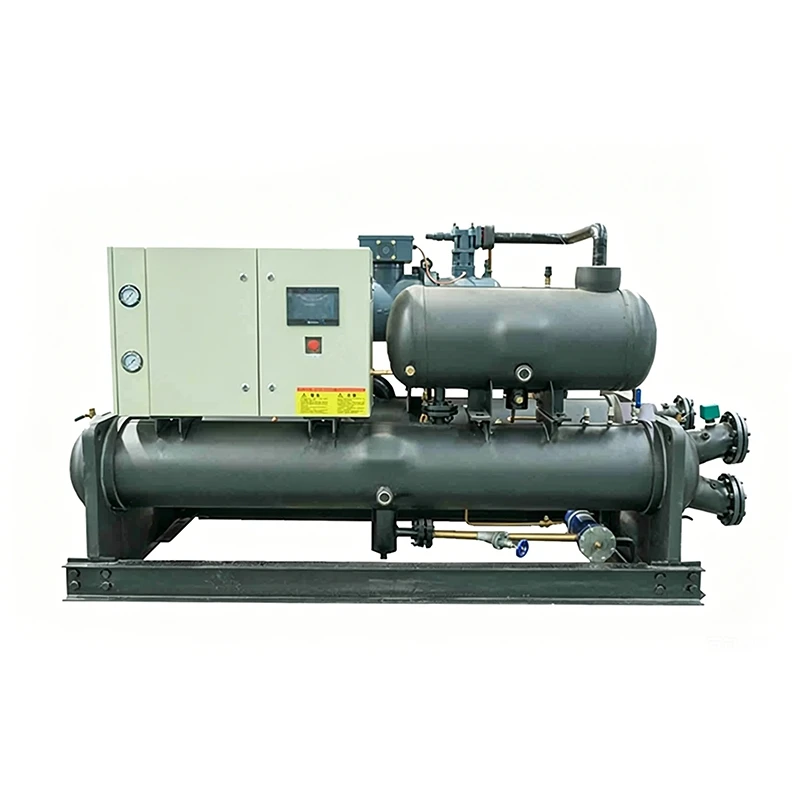

Types of Sensors in Gradient Waste Heat Recovery Equipment
There are several types of sensors commonly used in gradient waste heat recovery equipment, each with its own calibration requirements. Here are some of the most common ones:
- Temperature Sensors: These sensors measure the temperature of the waste heat source, the working fluid, and the output. They're usually calibrated using a reference thermometer in a controlled environment.
- Pressure Sensors: Pressure sensors monitor the pressure of the working fluid at different points in the system. They can be calibrated using a pressure gauge or a deadweight tester.
- Flow Sensors: Flow sensors measure the rate of fluid flow in the system. Calibrating flow sensors often involves using a flow meter with a known accuracy.
The Calibration Process
Now, let's get into the nitty-gritty of how to calibrate these sensors. The calibration process generally involves the following steps:
- Identify the Sensor: First, you need to figure out which sensor needs calibration. This might seem obvious, but in a complex system, it can sometimes be tricky to locate the right sensor.
- Gather the Necessary Tools: Depending on the type of sensor, you'll need different calibration tools. For example, you might need a reference thermometer for temperature sensors, a pressure gauge for pressure sensors, or a flow meter for flow sensors.
- Prepare the Sensor: Before you start calibrating, make sure the sensor is clean and in good working condition. Remove any dirt, debris, or corrosion that could affect the accuracy of the readings.
- Take Initial Readings: Record the current readings of the sensor. This will give you a baseline to compare against the calibrated readings.
- Calibrate the Sensor: Follow the manufacturer's instructions to adjust the sensor until it provides accurate readings. This might involve adjusting a potentiometer, entering calibration values into a control panel, or using a calibration software.
- Verify the Calibration: After you've made the adjustments, take new readings to verify that the sensor is now providing accurate results. Compare the new readings with the known values or the readings from a reference sensor.
- Record the Calibration: Keep a record of the calibration process, including the date, the initial and final readings, and any adjustments made. This documentation is important for quality control and maintenance purposes.
Tips for Successful Calibration
Here are some tips to help you calibrate the sensors in your gradient waste heat recovery equipment successfully:
- Follow the Manufacturer's Instructions: Each sensor has its own specific calibration requirements, so it's important to follow the manufacturer's instructions carefully.
- Use High-Quality Calibration Tools: The accuracy of your calibration depends on the quality of the tools you use. Invest in high-quality reference sensors and calibration equipment to ensure accurate results.
- Calibrate Regularly: Sensors can drift over time, so it's important to calibrate them regularly to maintain accuracy. The frequency of calibration will depend on the type of sensor and the operating conditions of the equipment.
- Train Your Staff: Make sure your staff is properly trained on how to calibrate the sensors. This will help ensure that the calibration process is done correctly and consistently.
Our Gradient Waste Heat Recovery Equipment
At our company, we offer a range of gradient waste heat recovery equipment that can help you save energy and reduce costs. Our equipment includes the Vertical Ground Loop Heat Pump System, Mine Vent Air Heat Recovery Unit, Mine Water Source Heat Pump Unit, Separated Heat Pipe Heat Recovery Unit, and Mine Return Air Heat Exchanger.
All of our equipment is designed with high-quality sensors that are calibrated to ensure accurate performance. We also provide comprehensive support and training to help you get the most out of your equipment.
Contact Us for More Information
If you're interested in learning more about our gradient waste heat recovery equipment or need help with sensor calibration, don't hesitate to contact us. We'd be happy to discuss your specific needs and provide you with a customized solution.
References
- Manufacturer's manuals for the sensors and gradient waste heat recovery equipment.
- Industry standards and best practices for sensor calibration.