

Hey there! As a supplier of Mine Return Air Heat Exchangers, I often get asked about the heat transfer process in these nifty devices. So, I thought I'd take a moment to break it down for you in a way that's easy to understand.
First off, let's talk about what a Mine Return Air Heat Exchanger actually does. In a mine, a huge amount of air is circulated to keep things ventilated and safe for the miners. This return air usually has a certain amount of heat in it, and that heat can be a valuable resource if we can capture and use it. That's where the heat exchanger comes in.
The Basics of Heat Transfer
Before we dive into the specifics of the heat transfer process in a mine return air heat exchanger, let's quickly go over the three main types of heat transfer: conduction, convection, and radiation.
- Conduction: This is the transfer of heat through a solid material. Think of it like when you touch a hot pan, and the heat from the pan is transferred to your hand. In a heat exchanger, conduction happens when the heat from the return air is transferred through the walls of the heat exchanger tubes to the fluid inside.
- Convection: This involves the transfer of heat through the movement of fluids (liquids or gases). In the case of a mine return air heat exchanger, convection occurs when the return air flows over the outside of the heat exchanger tubes, and the fluid inside the tubes is also flowing. The movement of these fluids helps to transfer the heat more efficiently.
- Radiation: This is the transfer of heat through electromagnetic waves. While radiation does play a role in heat transfer, it's usually less significant in a mine return air heat exchanger compared to conduction and convection.
The Heat Transfer Process in a Mine Return Air Heat Exchanger
Now, let's get into the nitty - gritty of how the heat transfer happens in our mine return air heat exchangers.
Step 1: Inlet of the Return Air
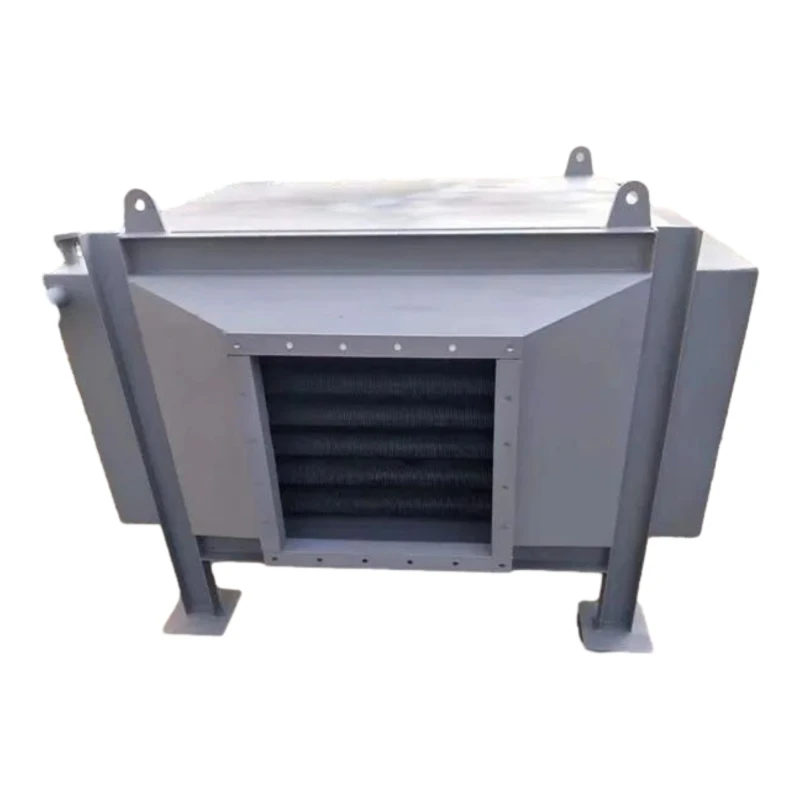
The process starts when the mine return air enters the heat exchanger. This air is typically warm because it has been in contact with the warm environment inside the mine. The return air is directed over a series of tubes or plates in the heat exchanger. These tubes or plates are made of a material with good thermal conductivity, like copper or aluminum, which helps in efficient heat transfer.
Step 2: Heat Transfer from the Air to the Tubes
As the return air flows over the tubes, heat is transferred from the air to the outer surface of the tubes through convection. The warm air molecules collide with the cooler tube surface, and the energy is transferred. Then, through conduction, the heat is transferred from the outer surface of the tubes to the inner surface.
Step 3: Heat Transfer to the Working Fluid
Inside the tubes, there's a working fluid, such as water or a refrigerant. The heat that has been transferred to the inner surface of the tubes is then transferred to this working fluid, again through convection. The working fluid absorbs the heat and starts to heat up. As it heats up, its temperature rises, and it can be used for various purposes, like heating buildings or providing hot water for industrial processes.
Step 4: Outlet of the Cooled Air and Heated Fluid
After the heat transfer process is complete, the cooled return air exits the heat exchanger and is released back into the ventilation system. On the other hand, the heated working fluid is pumped out of the heat exchanger to where it's needed.
Factors Affecting the Heat Transfer Process
Several factors can affect the efficiency of the heat transfer process in a mine return air heat exchanger.
- Airflow Rate: The rate at which the return air flows through the heat exchanger is crucial. If the airflow is too slow, the heat transfer might not be efficient as the air spends too much time in the exchanger, and the temperature difference between the air and the tubes decreases. On the other hand, if the airflow is too fast, the air might not have enough time to transfer its heat to the tubes.
- Fluid Flow Rate: Similar to the airflow rate, the flow rate of the working fluid inside the tubes affects the heat transfer. A proper balance must be maintained to ensure maximum heat transfer.
- Temperature Difference: The greater the temperature difference between the return air and the working fluid, the more efficient the heat transfer will be. This is because heat naturally flows from a higher - temperature substance to a lower - temperature substance, and a larger temperature difference provides a greater driving force for heat transfer.
- Tube Material and Design: As mentioned earlier, the material of the tubes affects their thermal conductivity. Additionally, the design of the tubes, such as their shape, diameter, and the number of fins (if any), can also impact the heat transfer efficiency.
Our Products and Related Solutions
As a supplier, we offer high - quality Mine Return Air Heat Exchangers that are designed to maximize the heat transfer process. We also have a range of other products related to mine waste heat recovery.
- Check out our Mine Waste Heat Recovery Heat Exchanger. This device is specifically designed to recover the waste heat from various sources in the mine and convert it into useful energy.
- The Flue Gas Heat Recovery Unit is another great option. It can recover the heat from the flue gases produced in the mine, which would otherwise be wasted.
- For an even more efficient way to use the recovered heat, we have the Industrial Mine Heat Pump. This heat pump can increase the temperature of the recovered heat and make it suitable for a wider range of applications.
- Our Boiler Smoke Gas Thermal Recovery Unit helps in recovering the heat from the boiler smoke gases, reducing energy losses in the mine.
- And not to forget the Mining Compressed Air Heat Recovery Unit, which recovers the heat from the compressed air systems in the mine.
Why Choose Us?
We're not just any supplier. Our team has years of experience in the mining industry, and we understand the unique requirements of heat transfer in mines. We use the latest technologies and high - quality materials to ensure that our products are reliable and efficient.
Contact Us for Procurement
If you're interested in our Mine Return Air Heat Exchangers or any of our other waste - heat recovery products, we'd love to talk to you. Whether you need a custom - designed solution or a standard product, we can provide you with the best options. Reach out to us for a detailed discussion on your needs, and let's work together to make your mine more energy - efficient!
References
- Incropera, F. P., Dewitt, D. P., Bergman, T. L., & Lavine, A. S. (2007). Fundamentals of Heat and Mass Transfer. Wiley.
- Cengel, Y. A., & Ghajar, A. J. (2015). Heat and Mass Transfer: A Practical Approach. McGraw - Hill Education.